
Project Overview
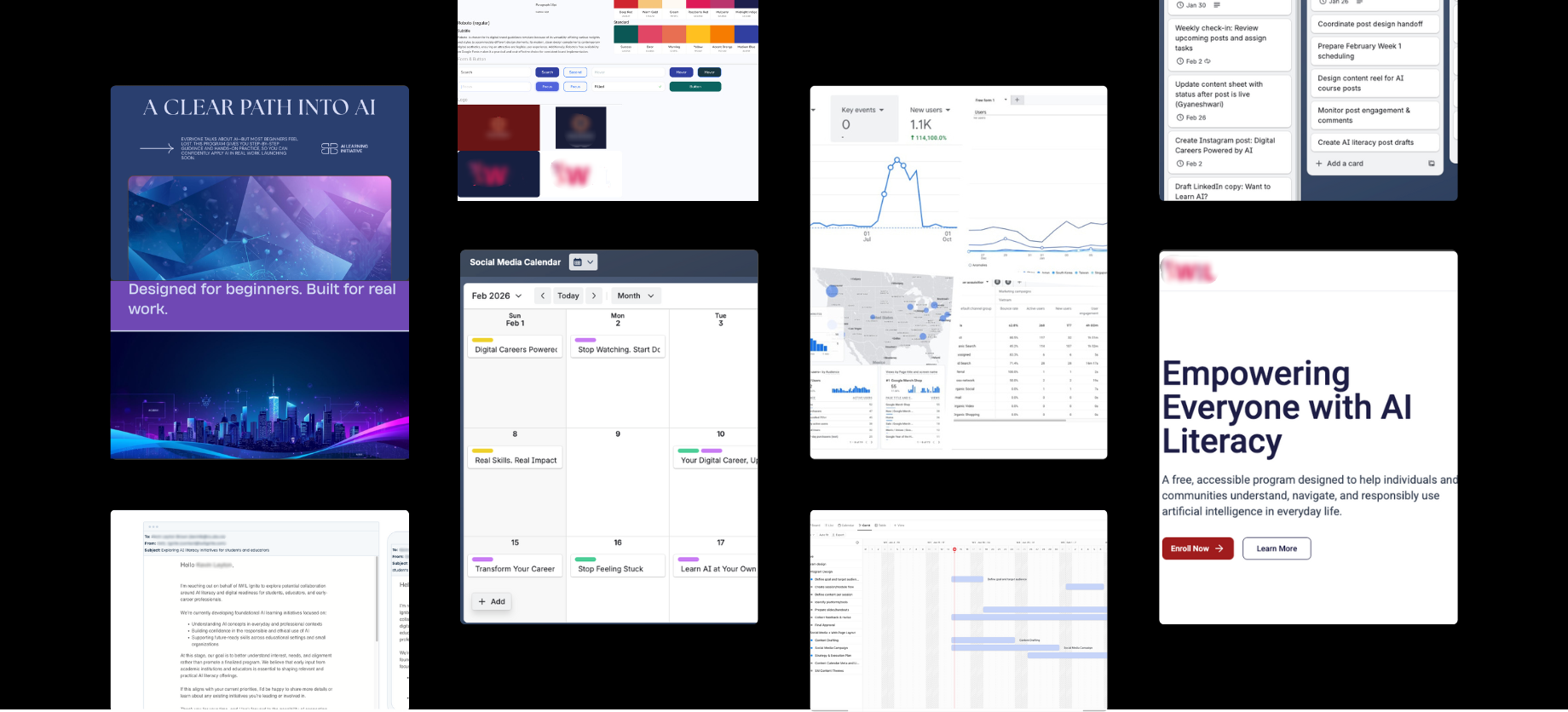
I designed an end-to-end marketing system and campaign framework for an AI course within a nonprofit context. Starting with no existing project documentation, I developed foundational strategic documents, operational workflows, and system configurations to demonstrate how social media activities could be planned, coordinated, and iterated across multiple channels.
The project focused on structuring content, aligning timelines, and establishing repeatable processes to support reach, engagement, and early program interest.
Working within nonprofit constraints required the use of free and accessible tools (HubSpot free tier, Canva, Google Workspace, Trello) while maintaining professional processes, tracking, and accountability. This work demonstrates my ability to design and operationalize marketing campaigns from scratch— balancing strategic intent with real-world resource limitations from concept through execution planning.
My Contributions
- Designing and planning the social media campaign workflow, from content ideation to scheduling and publishing.
- Designing workflows and processes to ensure smooth coordination and clear deadlines.
- Creating and maintaining documentation, including campaign plans, calendars, and tracking frameworks.
- Defining how campaigns would be iterated using performance data and feedback to optimize engagement and reach.
- Integrating tools such as HubSpot CRM, ClickUp dashboards, and Trello boards to streamline operations and reporting.
Project Charter
Role: Volunteer Marketing Coordinator
Duration: Dec 2025 – Jan 2026
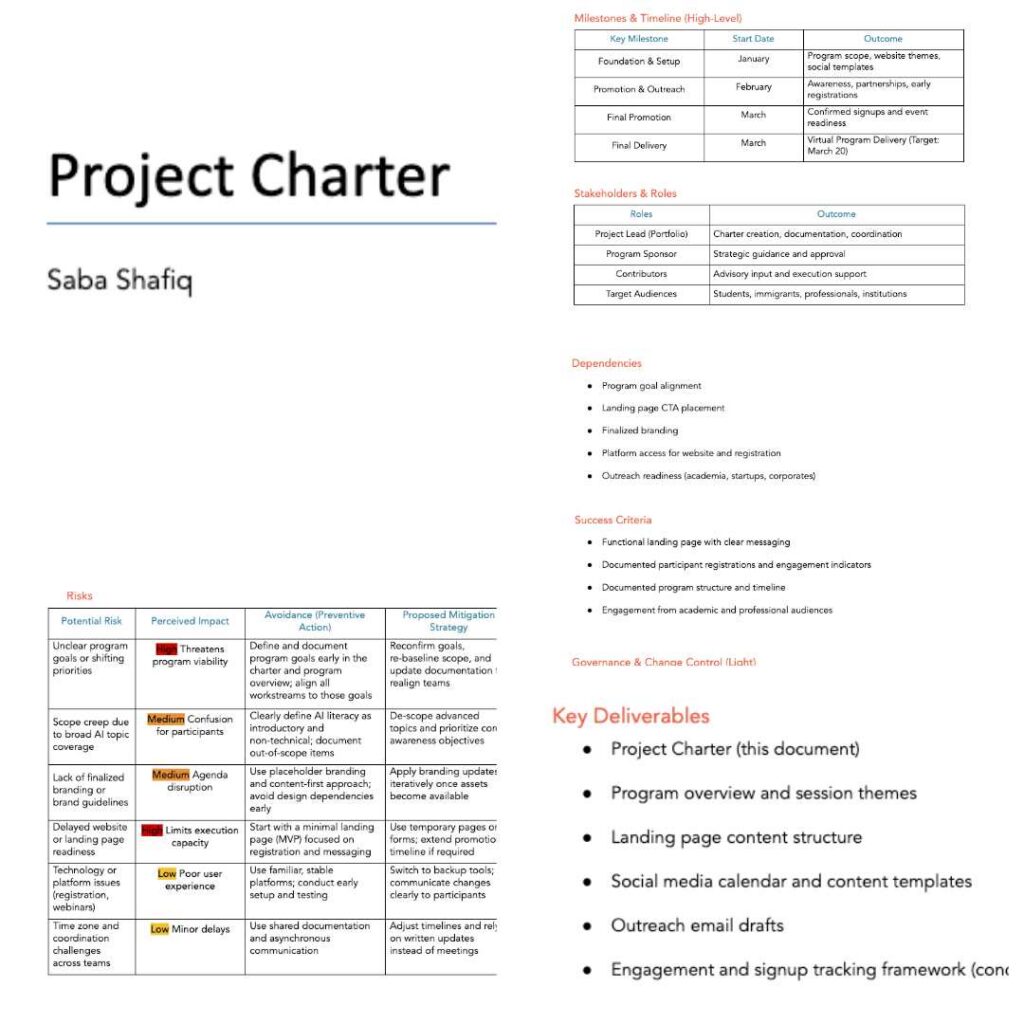
I created the project charter to define the IW Ignite marketing initiative, establishing objectives, scope, stakeholders, and timelines based on available context and my analysis of organizational priorities.
The charter served as the foundational framework to ensure alignment across the program, marketing activities, and outreach workflows, providing clear roles, responsibilities, accountability, milestones, and success criteria. This work demonstrates my ability to proactively organize and manage a project from the ground up, creating repeatable processes and professional documentation for future initiatives
Program Overview Document
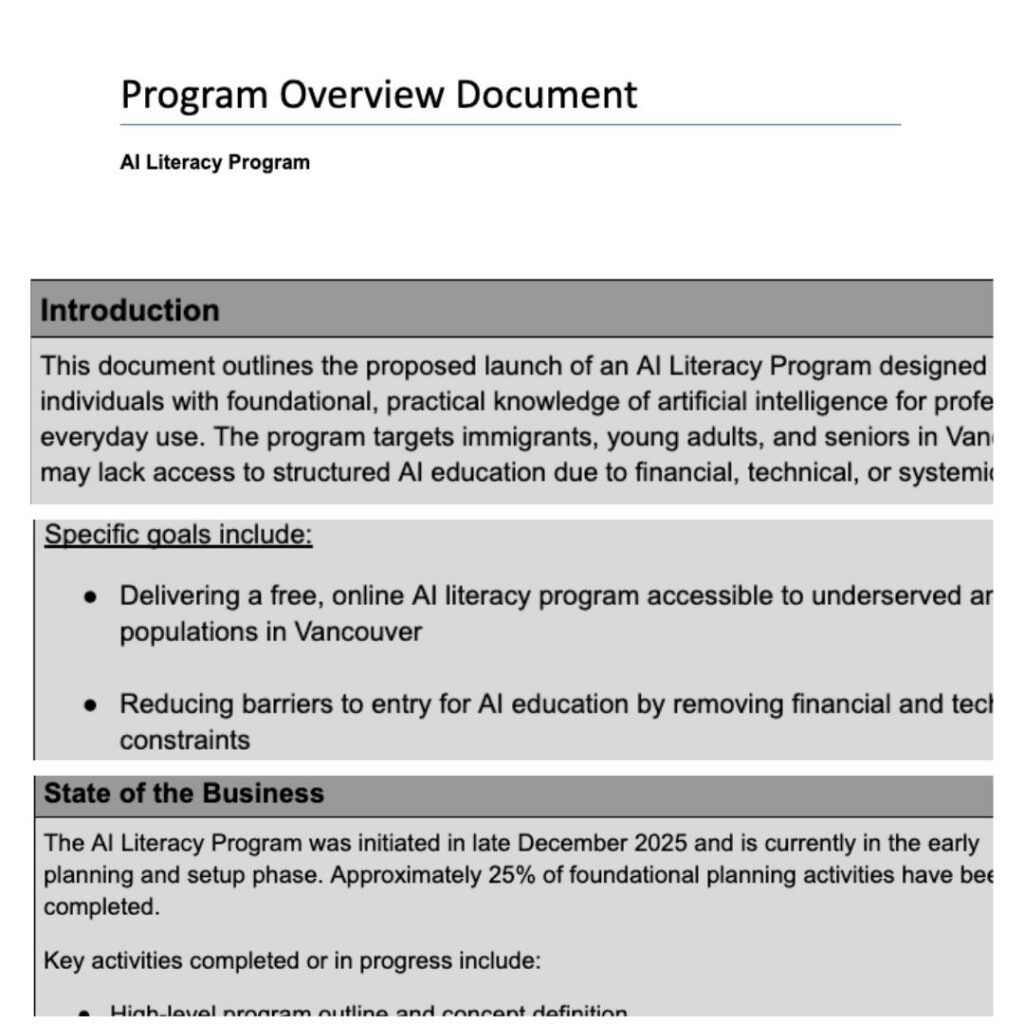
I developed the program overview to define the purpose, structure, and value of the IW Ignite AI learning initiative. Using the Amazon 6-pager framework, I translated a broad program concept into a concise, structured, and readable document for stakeholder alignment.
The overview covers the program’s goals, target audience, problem statement, proposed solution, expected outcomes, learning format, and high-level content direction. It articulates how the program supports career growth for beginners and professionals, ensuring clarity on the “why,” “what,” and “who” before moving into execution or promotion.
Visual snapshots illustrate the structure and depth of the document without exposing full internal content. This work demonstrates my ability to synthesize complex ideas into actionable, narrative-driven documentation, providing a foundation for informed planning, alignment, and decision-making.
This approach ensured decisions were guided by clarity and narrative, avoiding fragmented or slide-based discussions.
IW Ignite Marketing Plan
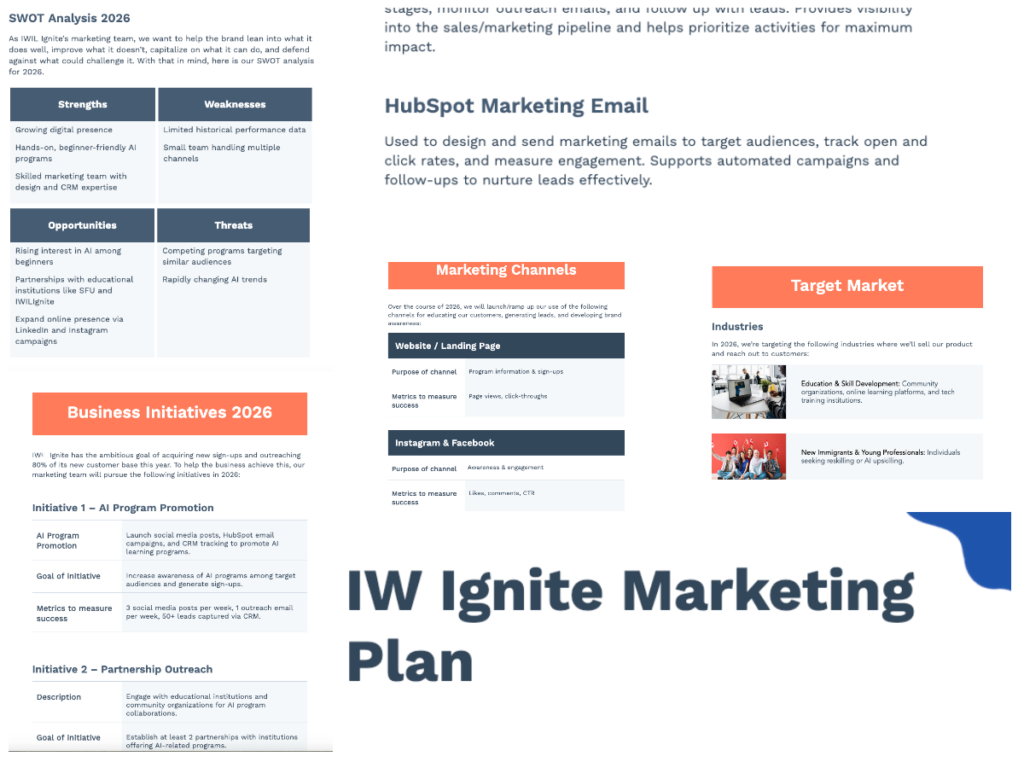
I developed the IW Ignite Marketing Plan to establish a clear, actionable strategy for promoting the AI learning program. The plan aligns marketing goals with audience needs, available tools, and realistic execution capacity.
It outlines core objectives, target audiences, key channels, campaign cadence, and success metrics, while detailing how tools such as HubSpot, email marketing, social content, and analytics would be used to manage outreach, track engagement, and optimize performance. Lightweight KPIs and governance mechanisms were incorporated to measure progress effectively, even at an early stage.
This plan demonstrates my ability to translate high-level business goals into a practical, structured operating model, combining strategy, execution planning, and measurement. It reflects a hands-on, iterative approach, designed to evolve as data, feedback, and program maturity increase.
The following process illustrates how the campaign and operations were designed to function in practice, using realistic workflows, tools, and reporting structures.
This section outlines how I independently moved the IW Ignite marketing initiative from planning to execution, coordination, tracking, and iteration.
Work Breakdown & Coordination
I established the foundational planning and coordination structure using Gantt-style planning, Kanban boards, and workflow mapping. High-level plans were broken down into actionable tasks with defined ownership, timelines, and status tracking to ensure clarity and momentum from the outset.
As part of this foundation, I designed a social media campaign workflow to map the end-to-end journey from ideation through approval and scheduling. This created consistent review checkpoints, reduced rework, and ensured predictable execution across all marketing activities.
The visuals below illustrate the planning and coordination artifacts I created to support structured execution.
Program Planning, Risk & Milestone Management
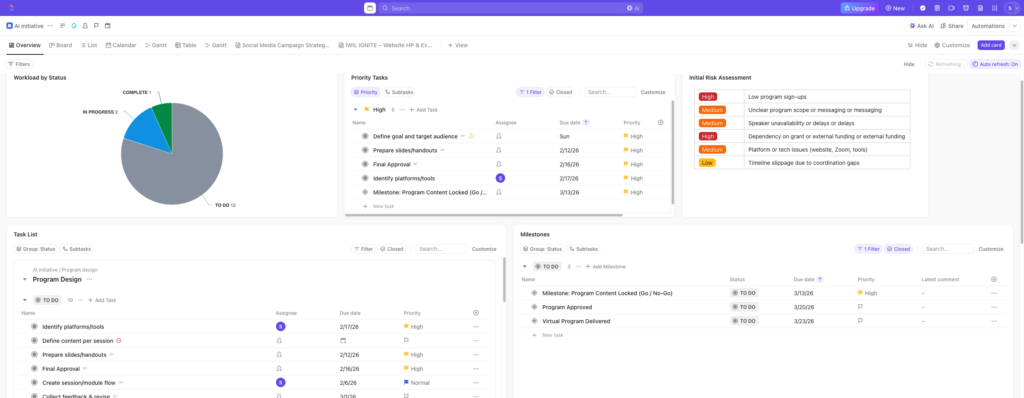
To manage internal oversight and program governance, I independently configured a centralized ClickUp dashboard for program planning and backend coordination. This dashboard provided a single view of priorities, timelines, workload distribution, and dependencies across the initiative.
Work was decomposed into structured subtasks—such as defining program goals, identifying platforms, preparing session content, and securing approvals—with clear priorities, due dates, and ownership applied throughout.
I also introduced milestone tracking and risk assessment to support proactive decision-making. Key milestones (program content lock, program approval, and virtual delivery) were clearly defined, alongside risks such as low sign-ups, scope ambiguity, speaker availability, funding dependencies, technical challenges, and timeline slippage.
This layer demonstrates my ability to move beyond execution into program-level governance, anticipating risks and maintaining alignment independently.
Marketing Operations & Process
I independently designed and executed the operational workflow for the IW Ignite marketing initiative, ensuring structured coordination across content, outreach, and reporting.
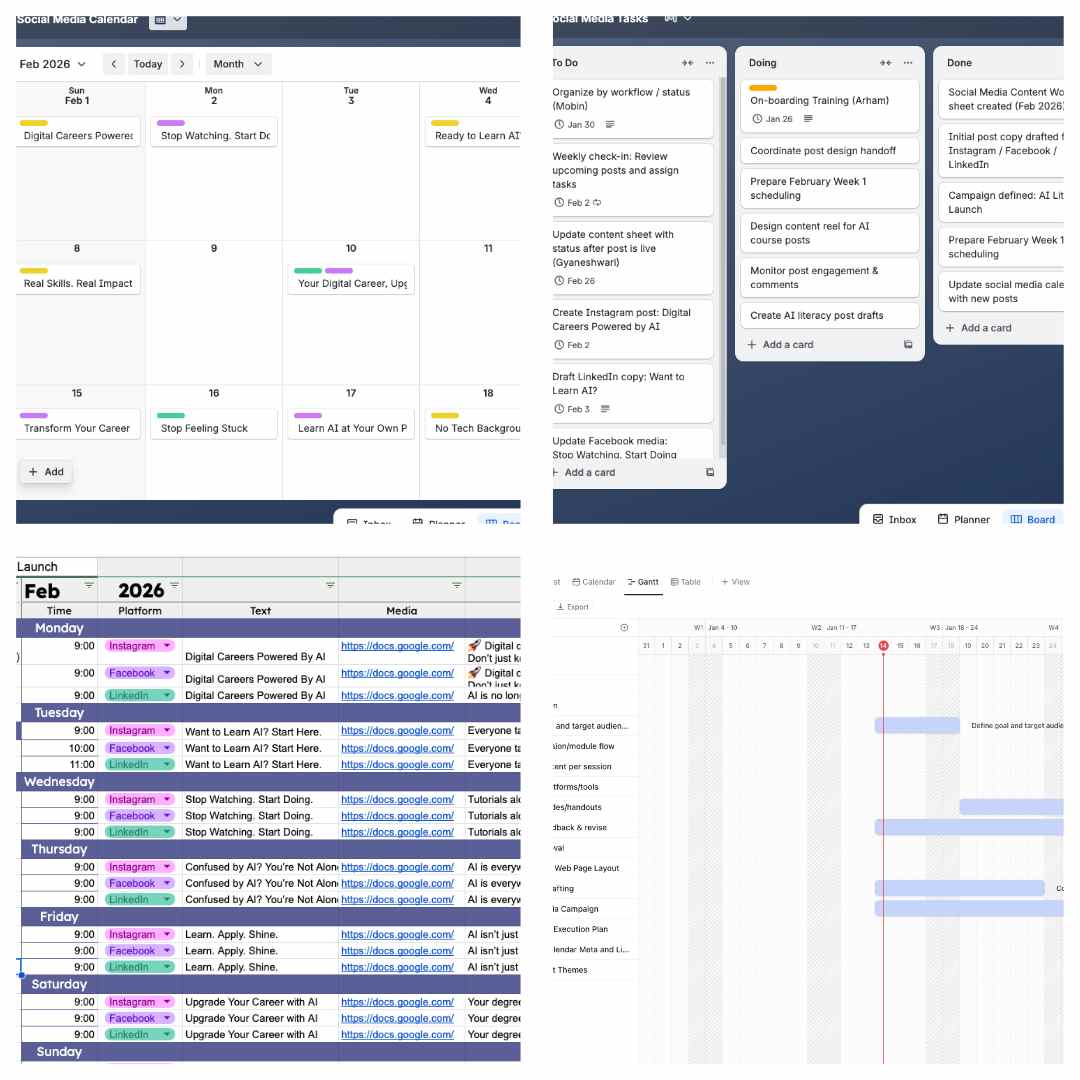
1. Social Media Calendar
I created a social media calendar to provide a visual overview of content publishing across Instagram, Facebook, and LinkedIn. Color coding indicates responsibility for each post, enabling designers and content contributors to quickly identify schedules. The calendar ensures alignment with campaigns, facilitates review cycles, and maintains transparency for deadlines, approvals, and publishing timelines.
2. Agile Task Management
A Trello Kanban board was implemented to track operational tasks and maintain workflow continuity. Tasks include due dates, priorities, and dependencies, providing visibility for team members and ensuring accountability. This structure allows systematic review of content and alignment with campaign goals.
3. Standard Operating Procedure (SOP) Design
I developed a seven-stage campaign workflow for content creation, review, and publishing: Idea → Drafted → Planned → Scheduled → Approved → Published → Rejected. Content, captions, and suggested hashtags are linked in Google Docs for seamless tracking and collaboration. The workflow integrates with both the social media calendar and Kanban board, creating a clear path from concept to publishing while keeping deadlines and responsibilities transparent.
4. Gantt Chart – Critical Path & Dependency Mapping
A Gantt chart was created to provide a high-level view of project phases—social media planning, web layout, outreach, and program design—tracking dependencies, timelines, and team responsibilities. While Trello and the social calendar manage day-to-day tasks, the Gantt chart aligns internal stakeholders and ensures coordinated execution across program design and marketing operations.
Agile Social Media Campaign Cycle
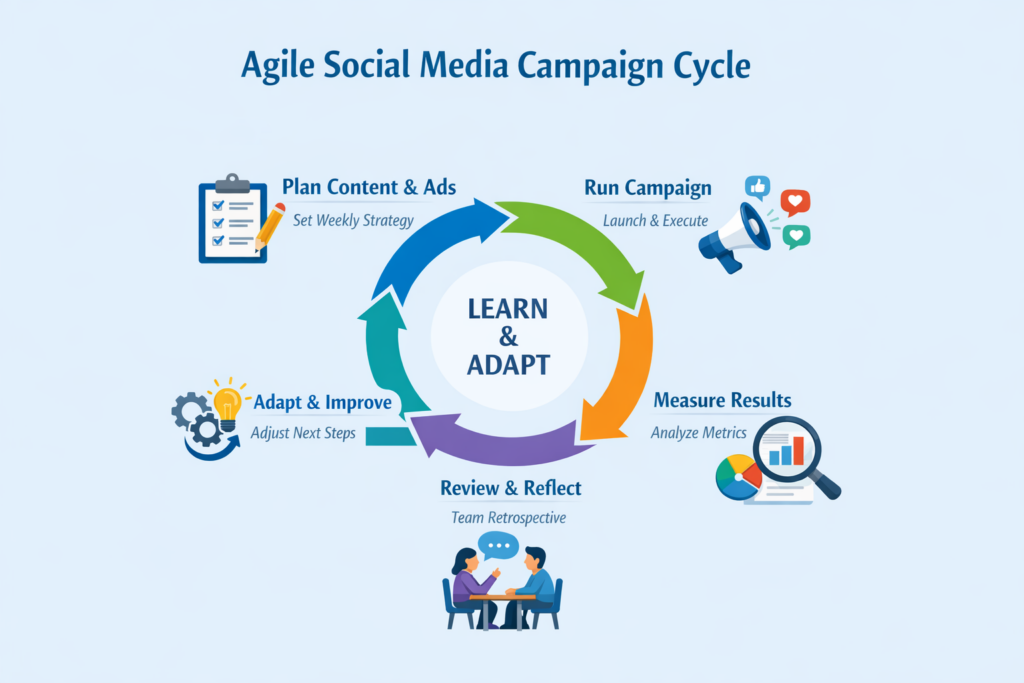
To complement the social media workflow, I applied an Agile cycle for the AI Literacy launch to ensure continuous improvement and adaptability:
Plan Content & Ads → Set Weekly Strategy → Launch & Execute → Measure Results → Analyze Metrics → Adapt & Improve → Adjust Next Steps → Team Retrospective
This cycle reflects how I tracked campaign execution and learning in the launch spreadsheet, enabling weekly iteration and performance-based adjustments. It visually demonstrates that each post and campaign element moved through planning, execution, measurement, and adaptation, ensuring the campaign evolved effectively over time.
MarTech Configuration & Data Workflow
HubSpot CRM Implementation for Lead Tracking
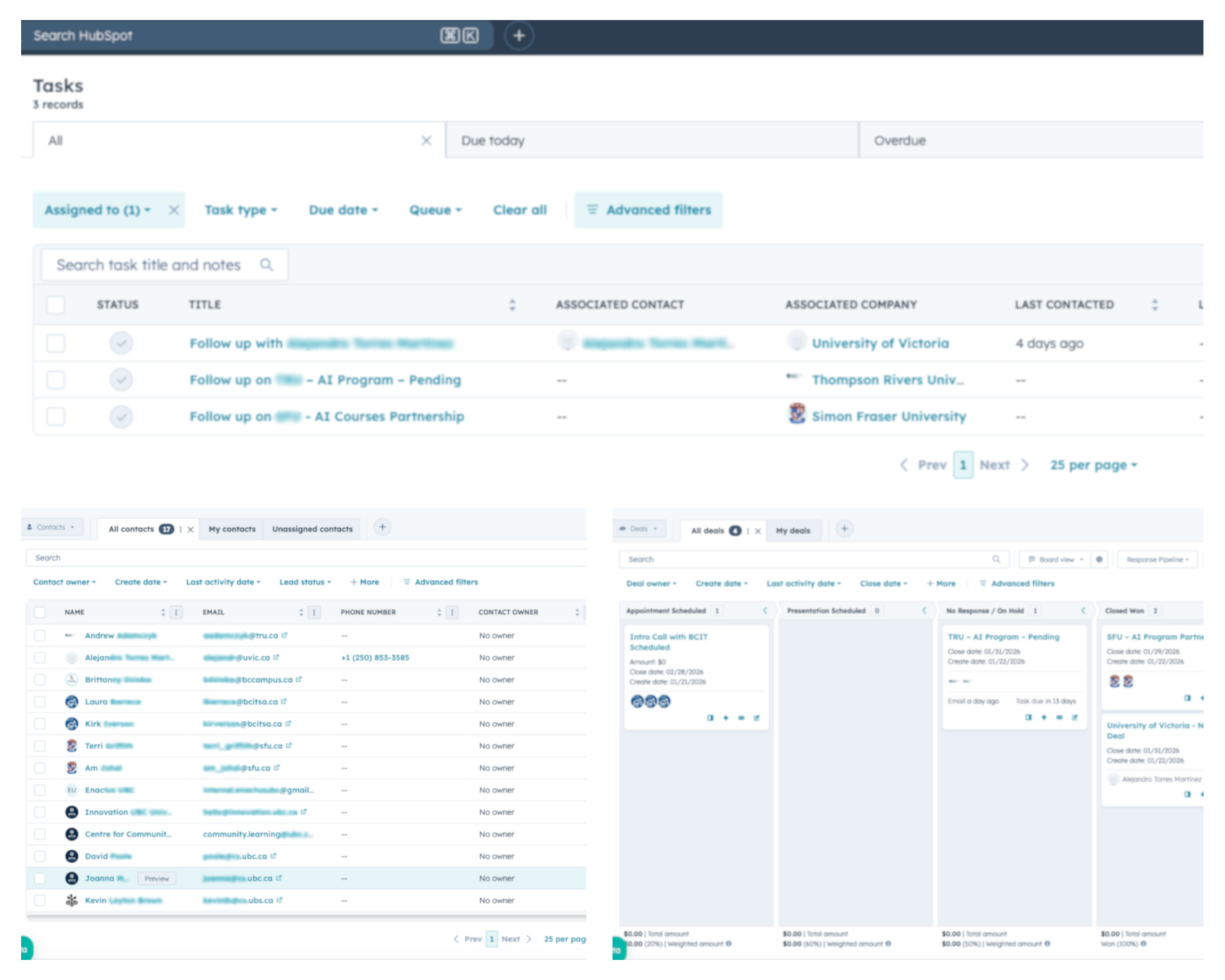
I configured HubSpot CRM to replace manual spreadsheet-based contact management, which was time-consuming and prone to inconsistency when handling personalized outreach and follow-ups.
The Challenge: Manually copying, pasting, and customizing emails for each contact increased the risk of errors and made it difficult to track responses and next actions at scale. There was no systematic way to prioritize follow-ups or measure engagement.
The Solution: By implementing HubSpot’s automation features—email personalization, template library, automated follow-up sequences, and engagement tracking—outreach became more efficient and reliable. Deal pipelines, contact records, and task automation were structured to provide real-time visibility into active leads, scheduled meetings, and pending actions.
The Result: This shift eliminated manual copy-paste workflows, reduced email preparation time, and enabled data-driven decision-making through engagement metrics. The system ensured accountability and created a scalable foundation for future campaigns.
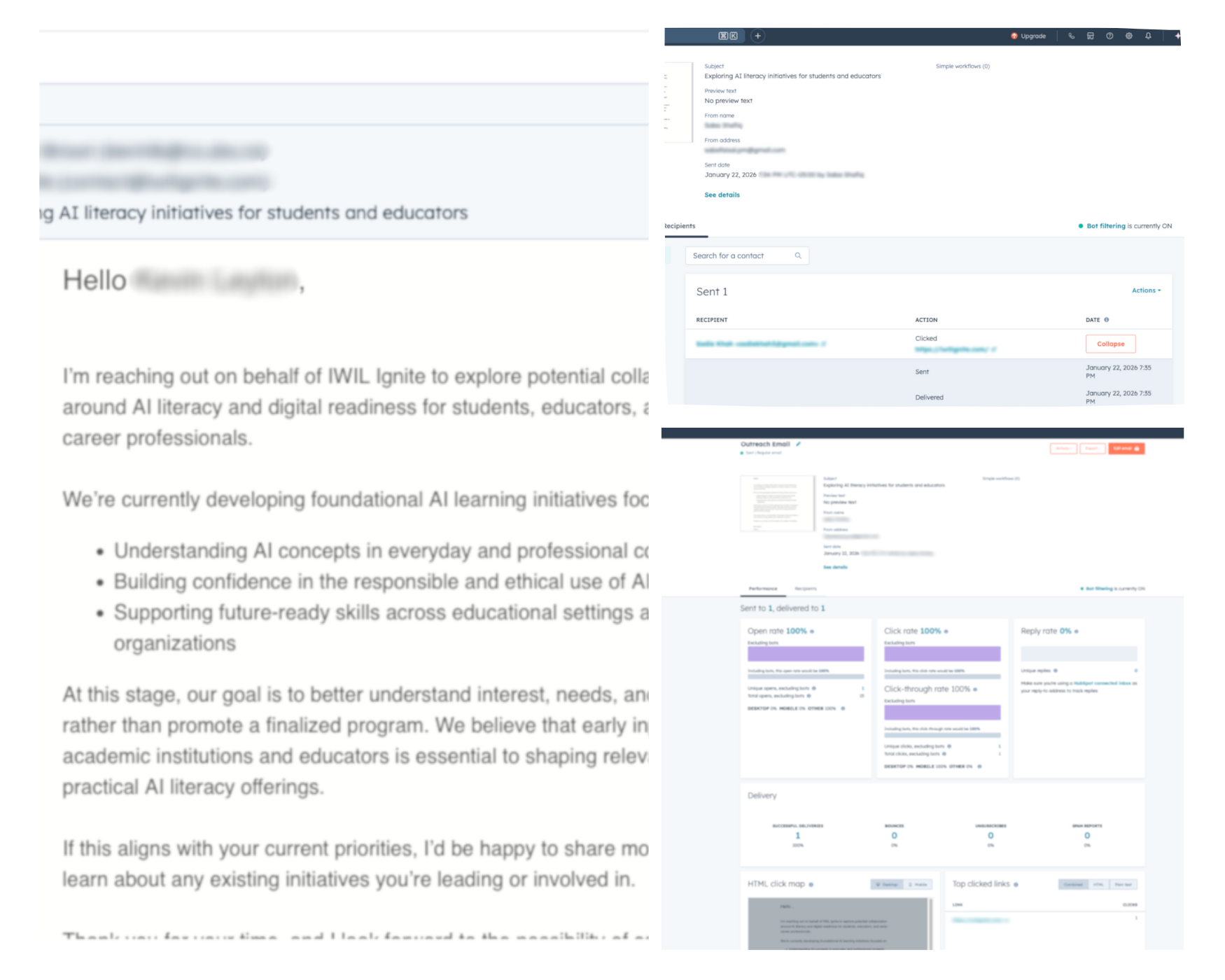
Email Draft & Tracking – HubSpot
I migrated email communications from manual Word templates to HubSpot’s email system, enabling automatic personalization, scheduling, and real-time engagement tracking. This approach reduced manual effort, maintained quality, and allowed prioritization of follow-ups. Reporting shows open and click-through rates, providing insight for iterative campaign optimization.
Automation & Performance Dashboards
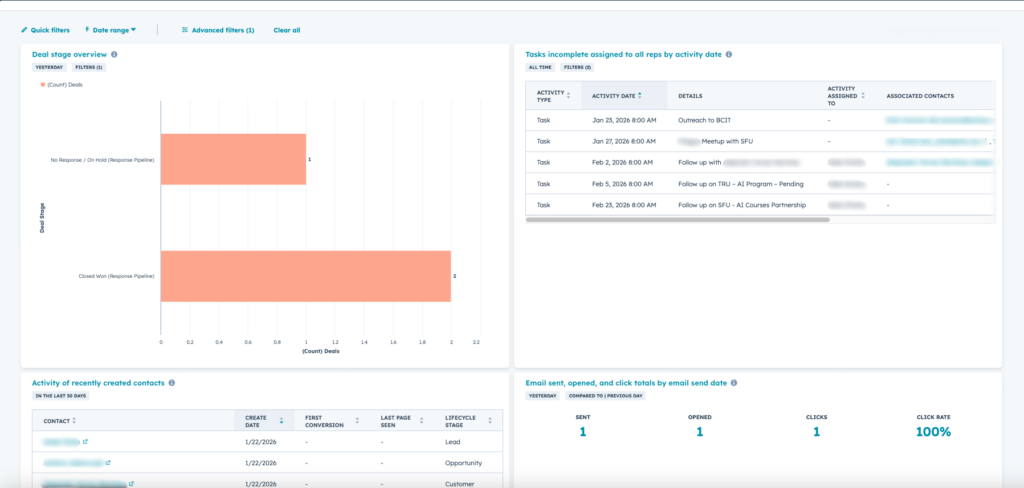
I designed a HubSpot reporting dashboard to consolidate pipeline progress, task completion, and email performance. Features include deal stage tracking, incomplete task reporting, recent contact activity, and email engagement metrics. This setup enables quick visibility, supports accountability, and informs data-driven marketing decisions.
Data Capture & User Experience Design
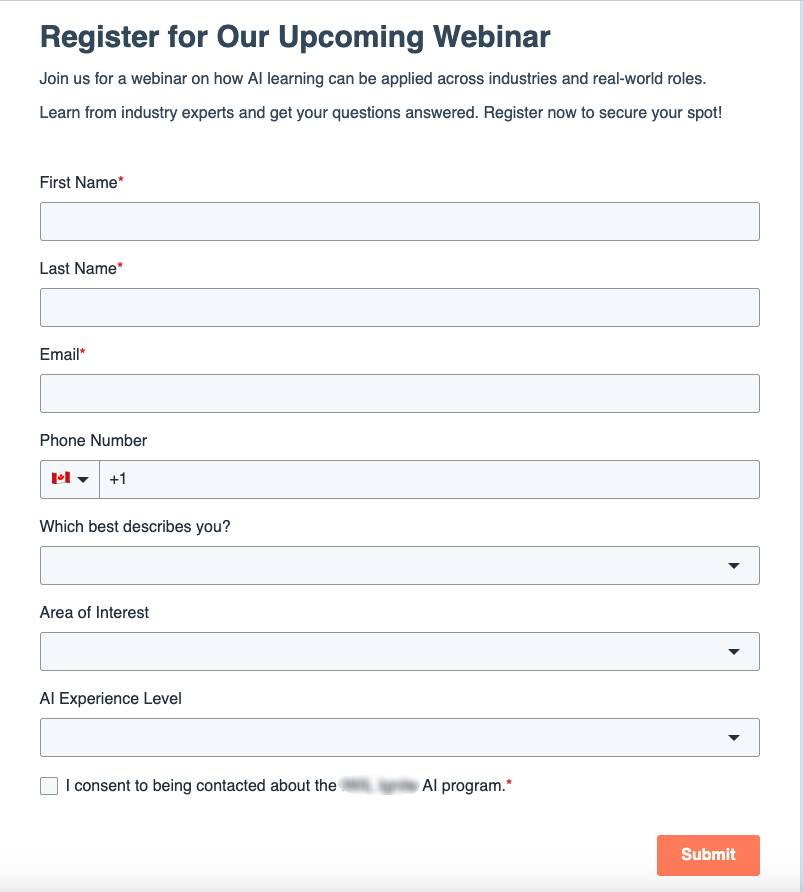
I designed a registration form for IW Ignite participants, integrating it with HubSpot for automated follow-ups and CRM tracking. Key fields include name, email, contact number, AI experience level, and preferred session. The form prioritizes ease of completion, data accuracy, and seamless integration with outreach campaigns, demonstrating operational efficiency combined with user-centric design.
The Design
Landing Page Design & Visual Direction
I designed the IW Ignite landing page in Figma as an early-stage concept to visualize program presentation and support internal alignment. This was an exploratory iteration, focused on translating program ideas into a tangible visual direction rather than a finalized webpage.
No formal wireframes were used; the emphasis was on rapid concept visualization, layout structure, and content hierarchy to inform discussion and iteration.
Visual & Brand Standards
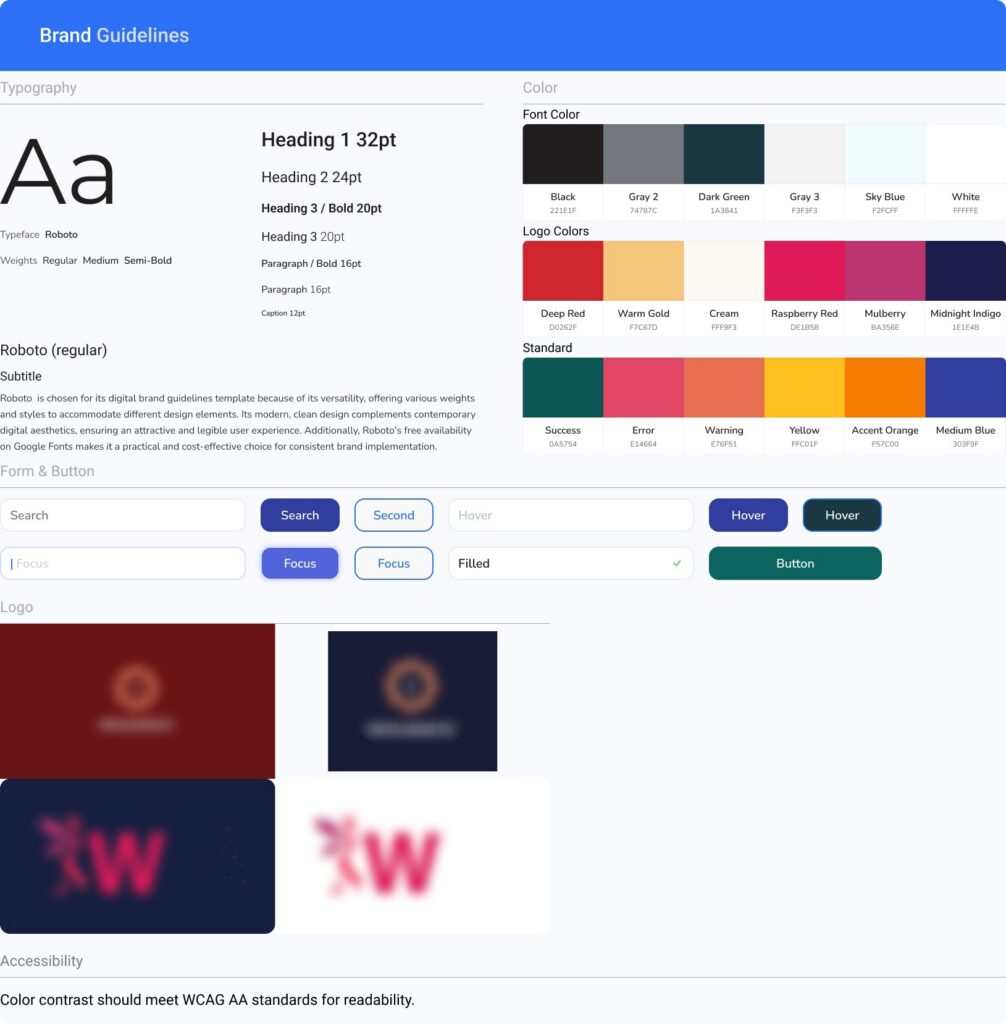
I independently created a lightweight brand guideline to ensure visual consistency across the landing page and associated assets. This included typography, color usage, and tone, serving as a flexible reference rather than a final brand system.
Two logo variations were reviewed within the landing page context to assess balance, readability, and overall brand fit.
Design #1
Social Media Creative
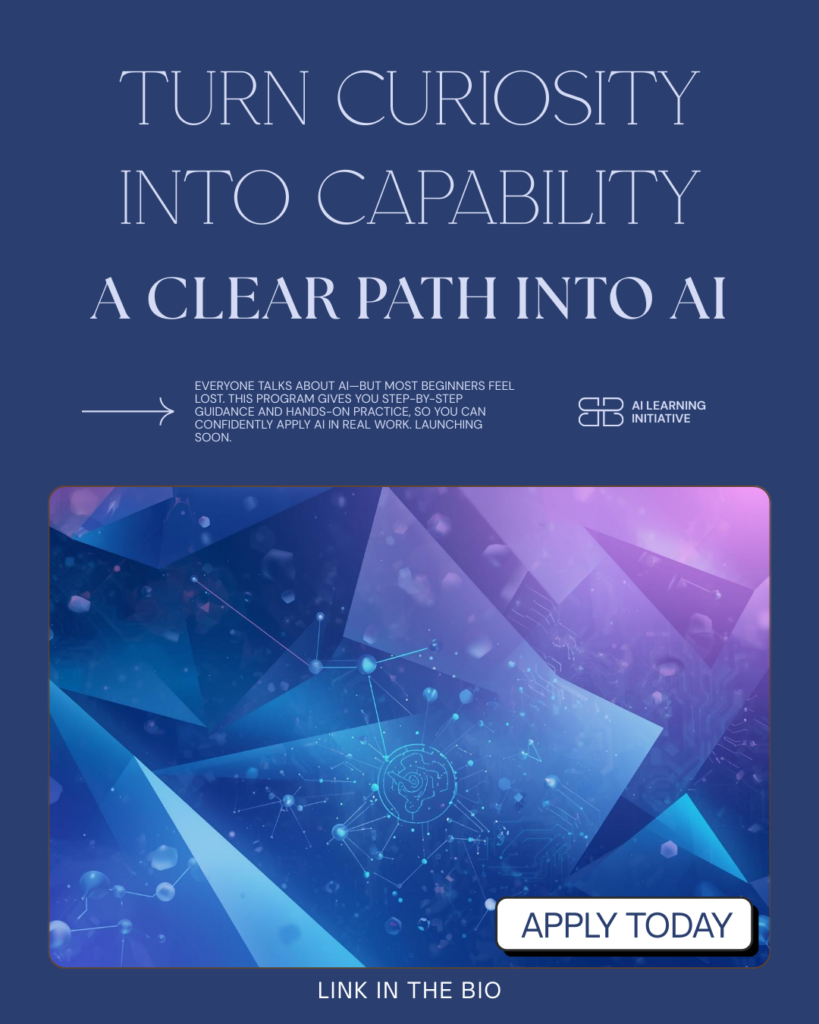
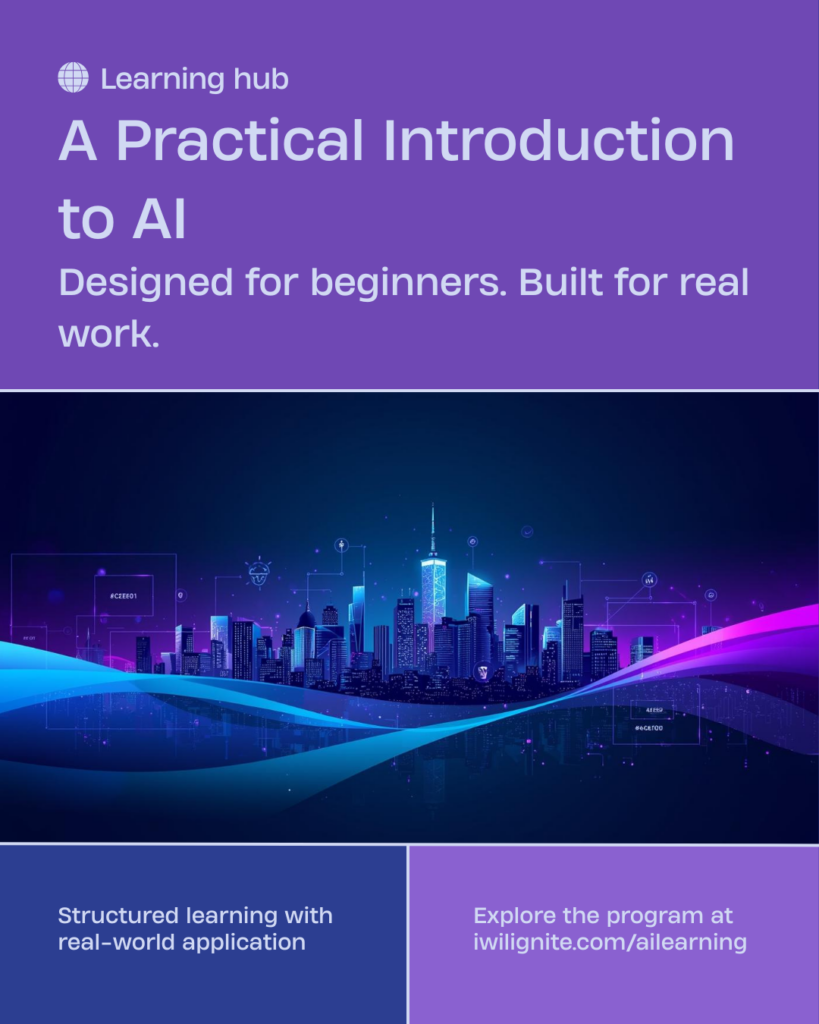
I developed social media visuals in Canva to support program promotion across platforms, including Meta (Facebook/Instagram) and LinkedIn. Each design reflects program branding, highlights key benefits, and aligns with platform best practices and audience expectations.
Visuals were integrated with captions, hashtags, and posting schedules from the social media calendar, demonstrating the connection between design, process, and operational execution
Design #2
Reporting & Measurement
KPI & Metrics Framework
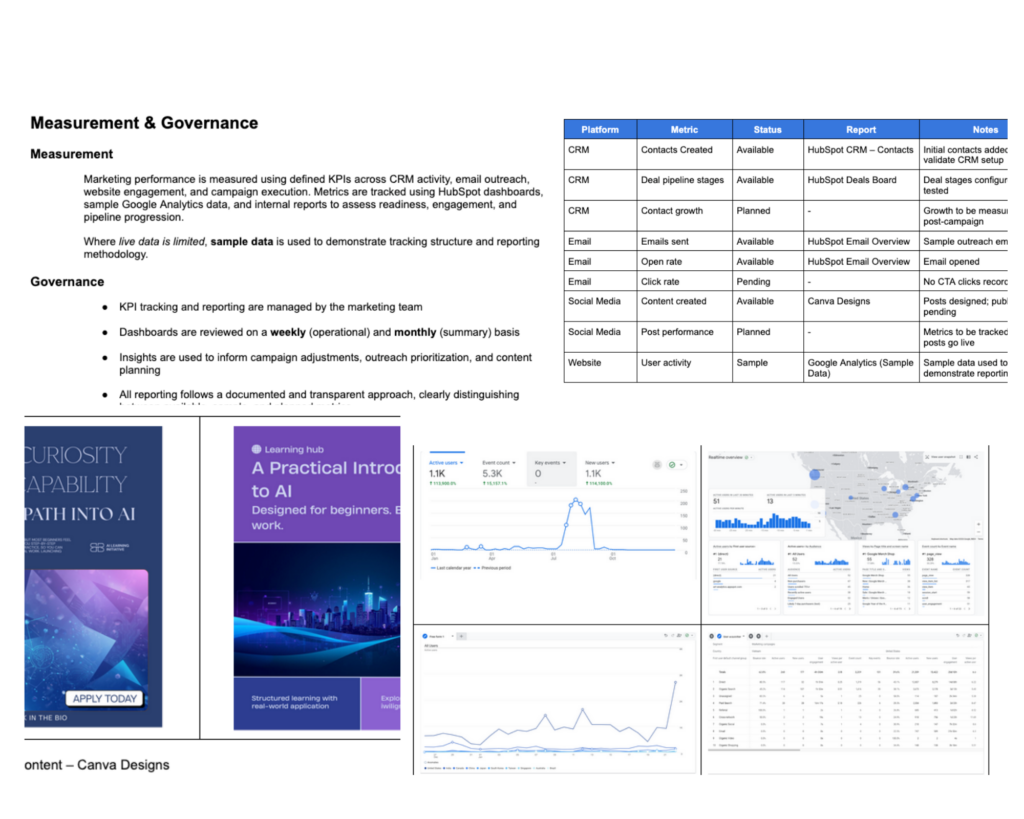
I created a KPI and metrics framework to define how outreach, engagement, and early program interest would be measured. This framework emphasizes practical, lightweight KPIs—including email performance, CRM contact growth, deal progression, and early engagement signals—designed to scale as data matures.
Metrics integrate across HubSpot and Google Analytics to capture the full marketing lifecycle, from outreach to website interaction. Sample data is included to demonstrate reporting structure and methodology.
This approach ensures clarity, transparency, and actionable insight, avoiding vanity metrics while enabling informed decision-making.
Some metrics shown are based on sample or limited activity and are included to demonstrate reporting structure and KPI tracking methodology.
Challenges & Learnings
Working in a volunteer nonprofit environment presented unique constraints that shaped my approach:
Resource Limitations: All tools had to be free (HubSpot free tier, Canva, Google Workspace). This constraint drove creative problem-solving and prioritization of high-impact automations over feature-rich paid solutions.
Building Without Baseline: No existing documentation, processes, or campaign history meant creating frameworks from first principles. I learned to synthesize organizational context quickly and translate it into actionable plans.
Stakeholder Dynamics: Volunteer environments often have evolving priorities and limited decision-making bandwidth. This reinforced the importance of creating flexible, modular systems that provide value even with partial implementation.
Key Takeaway: Not all work gets adopted immediately—but strong frameworks and documentation demonstrate strategic thinking and create reusable assets. The HubSpot automation proved that incremental improvements gain traction more readily than comprehensive overhauls—a principle I’ll apply in future marketing operations roles.
If I were to approach this again: I’d prioritize stakeholder buy-in earlier through smaller proof-of-concept wins before building comprehensive systems. Quick wins build trust; trust enables larger process adoption.
Thank you!
Note: This project represents an independent operational simulation designed to demonstrate proficiency in HubSpot architecture, workflow design, and Agile project management frameworks. All systems and processes were conceptualized and configured independently.